Make a donation

Run to Eat, or Eat to Run?

An eating disorder is about much more than what’s on your plate. I know because I’ve been living with anorexia for 20 years now.

Two years ago, I was walking and running up to 40 kilometres a day. Every day. Even when I was exhausted, even when I knew I was hurting myself, I couldn’t stop.

For a long time, I believed that if I was strong enough, I would be able to regain control. Over time, I’ve come to understand one essential thing: you can’t get through this alone.

It was the experts at the Douglas who helped me believe that solutions exist and to remain hopeful.

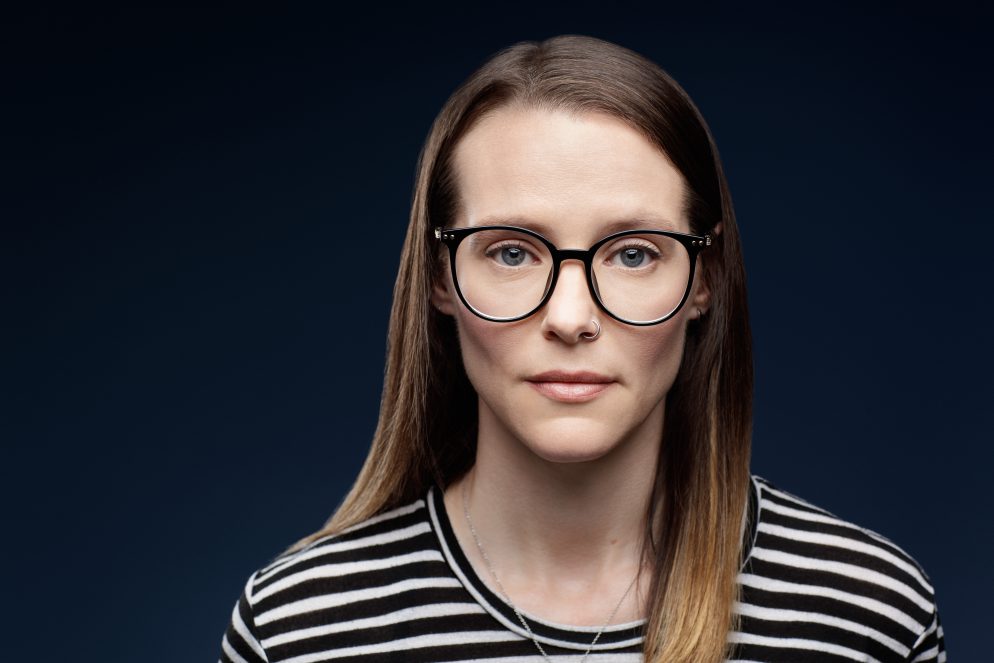
“I accept that this condition is part of my life, and instead I try to use that reality to keep moving forward. That’s what matters most.”   

– Florence 

For a long time, eating disorders were misunderstood.  

Even today, many people hesitate to seek help because they feel they aren’t “sick enough” or because they fear being judged.  

At the Douglas, Dr. Linda Booij heads the Eating Disorders Continuum, the only largescale specialized program in Quebec offering specialized care to adolescents and adults living with an eating disorder. Through research, her team is helping to improve our understanding of these illnesses, break down stigmas, and improve treatments. 

It used to be believed that you had to be very thin to have an eating disorder. Today, we know that’s not the case.   

A person can experience profound distress, severely restrict their food intake, or have an intense fear of gaining weighteven while maintaining a weight considered “normal.” Yet their suffering is just as real. This is precisely what Dr. Linda Booij’s research helps to demonstrate.  

It used to be thought that it was a matter of willpower. Today, we know that it is a complex mental illness.   

As Florence explains, it’s possible to know that you’re hurting yourself… without being able to stop. Eating disorders affect much more than just eating: they take over thoughts, emotions, and behaviors. That’s why they require specialized care and a better scientific understanding.    

It used to be assumed that only young women were affected. Today, we know that these disorders can affect anyone.   

Eating disorders affect people of all ages. By better understanding their various forms, researchers are helping more people get recognized and referred to the right care.    

It used to be thought that after several years, it was too late.  Today, we know it’s never too late to ask for help.  

Every breakthrough in research improves our understanding, treatments, and therapeutic approaches. Above all, it offers something essential: hope. 

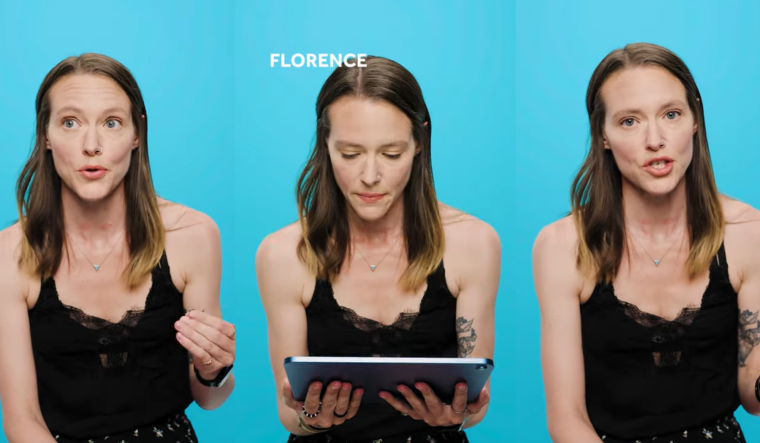
Discover (or rediscover) Les Questions Folles, a video series made possible through the support of Desjardins, where people living with mental illness answer the questions many people are afraid to askwith honesty, humour, and compassion. 

Be sure to watch Florence’s videos from Season 1. 

PS: Your donation helps transform the lives of people with eating disorders, like Florence. Together, we’re accelerating discoveries that will lead to better treatments and even… a complete recovery. 

$20 a month—it’s simple… and it changes lives.  

By becoming a monthly donor, you provide the Douglas with a stable source of support that allows us to plan, to innovate, and to invest in cutting-edge research.  

  • Your donation is processed on the same date each month;  
  • It’s tax-deductible, and the annual total is sent in February each year; 
  • It’s easy to change or cancel your donation at any time by contacting our team!

Need help?  

Anorexia and Bulimia Quebec (ANEB) offers free and confidential support services via chat, text message, and a helpline.  

514 630-0907 | 1 800 630-0907